
"coffee ecosystem"
1100 article(s) found

Florida Manor in Guatemala-Las Minas Mountains Information on the Katim Coffee Manor
Professional coffee knowledge exchange more coffee bean information please follow Coffee Workshop (Wechat official account cafe_style) Manor introduction the Las Minas Mountains are located in the eastern part of Guatemala and contain countless treasures belonging to Guatemala. In addition to the natural forest ecosystem and wildlife, it is rich in gold deposits and jade veins, making the treasure of the Las Minas Mountains famous throughout.

Introduction of Coffee Variety Flavor description in Xida Mochizo producing area with strong fragrance
Sustainable coffee culture Ethiopian coffee beans grow in close to the natural environment, after years of planting under the same growth conditions, Ethiopian coffee beans have gradually adapted to the environment here. More than 60% of coffee beans are grown in forests or semi-forests. The villages that grow coffee in large areas account for about the total amount of coffee produced in the country.

Nicaragua Francisco/Storm Manor Introduction_Storm Manor Kadura washed coffee how to drink
Professional coffee knowledge exchange More coffee bean information Please pay attention to coffee workshop (Weixin Official Accounts cafe_style) The whole flavor is clean and sweet, with Kadura sweet characteristics. The entrance is bright and fresh green malic acid, silk rose tea fragrance, white grape pomelo fragrance in the middle, clear and pleasant taste. Sweet apple orange fruit, balanced juicy, sweet after rhyme. Caturra

Kenya coffee recommended-Kenya top EP GrainPro washing elegant flower and fruit flavor
Professional coffee knowledge exchange more coffee bean information please follow the coffee workshop (Wechat official account cafe_style) front street-Kenya coffee beans recommend Kenya AA Top EP GrainPro introduction Kenya's neighbor is Ethiopia, there are many producing areas in Kenya strive to preserve the native forest ecosystem, protect the natural gene pool, support the breeding of wild coffee varieties and breed diversity.

Boutique Coffee Coffee Certification Organization of Coffee planting Industry
Fair Trade Coffee Fair Trade Coffee Fair Trade is one of the many coffee certifications and the most widely used international third-party certification. Certified coffee beans usually sell at a higher price. In Europe and the United States, the main circulation channels will set up special shelves of Fairtrade products for consumers to choose from. As the name implies, fair trade emphasizes the public.

Introduction to the unique flavor and taste characteristics of Ethiopian coffee manor
A large amount of coffee production (95%) is done by small shareholders, with an average yield of 561 kg per hectare. For centuries, minority holders of Ethiopian coffee farms have been producing a variety of high-quality types of coffee. The secret of producing high-quality coffee is that coffee growers have developed environmental conditions through generations of repeated learning about the coffee planting process.
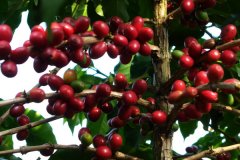
Ethiopian Yega Chevy Fine Coffee
The coffee-producing region of Ethiopia is divided into east and west parts by the East African Rift Valley, with lakes, volcanoes, lowlands, plateaus and woodlands interlaced, each evolving. Ethiopia has the most diverse coffee ecosystem in the world (forest coffee, semi-forest coffee, pastoral coffee and plantation coffee), which also preserves its rich Arabica genes. The eastern half is mostly plateaus, coffee beans.

Flavor description of Honduran Coffee beans introduction to the Grinding scale of varieties produced in Honduras
The flavor description of Honduran coffee beans the grinding scale of the varieties producing areas introduces that high-quality coffee in Honduras uses a washing method to treat coffee beans, usually after soaking, when soaking, the defective fruit will surface and can be discarded first. Then put the good fruit into the fruit peeling machine and peel off the peel with the rotating force of the machine. Peeled fruit

An introduction to the estates of Ethiopian coffee-producing areas with the natural conditions for growing coffee
Sustainable coffee culture Ethiopian coffee beans grow in close to the natural environment, after years of planting under the same growth conditions, Ethiopian coffee beans have gradually adapted to the environment here. More than 60% of coffee beans are grown in forests or semi-forests. The villages that grow coffee in large areas account for about the total amount of coffee produced in the country.

90 + Fine Honey Kiss Coffee beans description of Ethiopian Ginseng Flavor
The picked fruit is washed in clean water and preserved under water to improve the flavor and color of coffee beans. The processing process begins with hand selection, washed by machine and made into pulp on the day of harvest, followed by natural fermentation and sun exposure, in order to meet the best humidity standards. After machine processing, these coffee beans are selected by hard and careful hand.

Panamanian Emerald Manor famous Coffee products-tanning and Diamond Hill
Professional barista exchanges please follow the coffee workshop (Wechat official account cafe_style) Panamanian Coffee _ Emerald Manor _ Diamond Hill _ Solar treatment one of the products of Panama La Esmeralda Diamond Mountain Natural's well-known jadeite estate has won the championship year after year in 2004, and began to be auctioned independently in 2008, with countless record prices.

The Clean Flavor of Coffee from Godeo, the Outstanding Coffee in the Southern Yegashafi region of Ethiopia
For more information on coffee beans, please follow the coffee workshop (Wechat official account cafe_style) Ethiopia has the most diverse coffee ecosystem in the world (forest coffee, semi-forest coffee, pastoral coffee and plantation coffee), which makes its rich Arabica gene preserved, coupled with multiple treatments of sun, water and semi-washing, showing complexity.

How about Honduran water Kaddura? Introduction of Sanchez Farm in Opalaka production area
Country of origin: Honduras: Opalaka Farm: Finca Wilfredo Sanchez Variety: Kaddura treatment: washing Flavor: black Tea, herbs, Orange, Brown Sugar producing areas introduce the Opalaca Mountains between the arid areas of Intibuca and Lempira. Due to extensive agroforestry management in Opalaca, sufficient humidity can be retained in the

Fruit acid Bright Ethiopian coffee estate producing area Flavor Taste characteristics Variety Brand introduction
Ethiopia's coffee-producing areas are divided into east and west parts by the Great Rift Valley. Lakes, volcanoes, lowlands, plateaus and woodlands alternate and evolve independently. Ethiopia has the most diverse coffee ecosystem in the world (forest coffee, semi-forest coffee, pastoral coffee and plantation coffee), which also allows it to preserve its rich Arabica genes. The eastern half is mostly plateau, coffee bean mouth

La Sierra Manor Coffee Flavor in Guatemala describes the taste characteristics of Guatemalan coffee
Professional coffee knowledge exchange more coffee bean information please follow the coffee workshop (Wechat official account cafe_style) Kalibus La Sierra Kalibus La Sierra is located between San Agustin Acasaguastlan and San Cristobal Acasaguastlan, El Progreso. It takes about three hours from Guatemala City to the cloud forest of Zeladras Minas.

Characteristics of African Ethiopian coffee how good is the best coffee in Ethiopia
Professional coffee knowledge exchange more coffee bean information please follow the coffee workshop (Wechat official account cafe_style) Front Street-about Ethiopian Coffee Ethiopia is an underdeveloped country located in northeast Africa, but this country is a world-famous coffee producer. Ethiopia has the most diverse coffee ecosystem in the world (forest coffee, semi-forest coffee, pastoral).
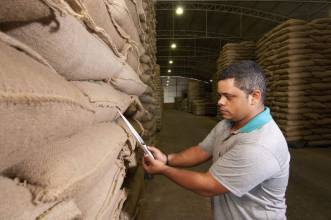
Three treatments of water washing, sun washing and semi-washing in Limu coffee producing area of Ethiopia
The coffee-producing region of Ethiopia is divided into east and west parts by the East African Rift Valley, with lakes, volcanoes, lowlands, plateaus and woodlands interlaced, each evolving. Ethiopia has the most diverse coffee ecosystem in the world (forest coffee, semi-forest coffee, pastoral coffee and plantation coffee), which also preserves its rich Arabica genes. The eastern half is mostly plateaus, coffee beans.

Costa Rica Kenya SL-28 New shift value rare output listed Costa Rica SL28 Coffee
For more information on coffee beans, please follow Coffee Workshop (Wechat official account cafe_style) Costa Rica is the country where coffee was first introduced to Central America and is deeply proud of its cultivation and production. the government also attaches great importance to the development of the local coffee industry and promulgates strict environmental regulations to protect its precious ecosystem. And Costa Rica currently has 50,000.
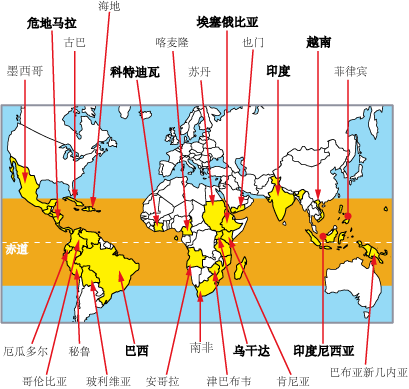
Ethiopian coffee producing areas Ethiopian coffee producing areas are Hilda Moharal and Yega Xuefei.
Ethiopia's coffee-producing areas are divided into east and west parts by the Great Rift Valley. Lakes, volcanoes, lowlands, plateaus and woodlands alternate and evolve independently. Ethiopia has the most diverse coffee ecosystem in the world (forest coffee, semi-forest coffee, pastoral coffee and plantation coffee), which also allows it to preserve its rich Arabica genes. The eastern half is mostly plateau, coffee beans

Why is organic coffee more expensive than regular coffee?
Professional coffee knowledge exchange more coffee bean information Please follow Coffee Workshop (Wechat official account cafe_style) in many parts of the world, growers use pesticides to control the growth of coffee pests, and moist and foggy coffee at high elevations are often more vulnerable to pests, so growers often use insecticide treatments. Organic coffee is grown without any insecticides, and other